Flat-Fee Generics in 2025: Where the $4 List Survives and How to Make It Work for You
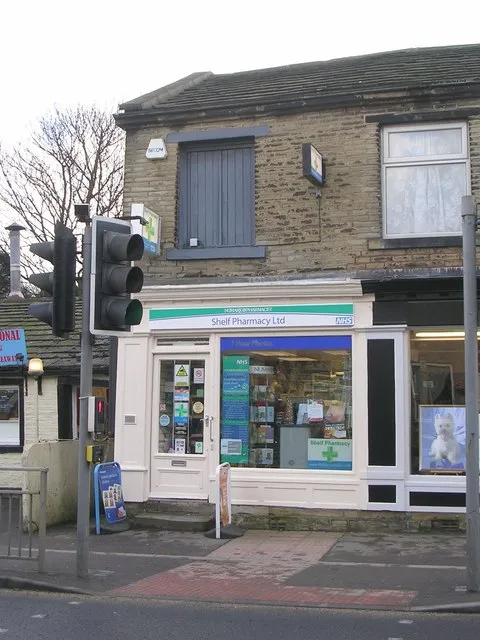
Photo: Betty Longbottom, CC BY-SA 2.0, via Wikimedia Commons
Two decades after a certain big-box retailer upended the pharmacy business by selling a month's supply of common generics for four dollars, the flat-fee model still exists. It just doesn't look the way it used to. Lists have been trimmed, tiers have multiplied, and some chains have shifted their cheapest generics behind membership programs with annual fees. For cash-pay patients and anyone with a high-deductible plan, knowing where these programs survive — and how to read their fine print — can still save hundreds of dollars a year.
Who Still Runs a Flat-Fee Generic List
Several national retailers continue to publish discounted generic lists, though the terms vary more than most shoppers realize. Warehouse club pharmacies remain among the most reliable options; their generic programs are open to non-members at many locations, and their lists tend to be longer than the headline drugs suggest. Regional supermarket chains with in-store pharmacies frequently maintain their own versions, sometimes matching or undercutting the national lists to drive foot traffic.
Independent pharmacies are a wildcard. Many will price-match a competitor's flat-fee list if you simply ask, even when they don't advertise a program of their own. Because independents set their own cash prices, a polite conversation at the counter can produce a deal no website will show you.
What's Actually on the List — and What Isn't
Flat-fee programs share a common structure: a short roster of older, widely manufactured generics for conditions like hypertension, high cholesterol, diabetes, and antibiotics. Think lisinopril, atorvastatin, metformin, and amoxicillin. What you won't find are newer drugs, brand-name medications, or anything still under patent protection.
The fine print matters more than the headline price:
- Quantity limits. Most programs cover a standard 30-day supply at a fixed dose. Extra tablets, extended-day supplies, or combination doses may not qualify.
- Dose exclusions. A drug might be $4 at 10 mg but priced normally at 40 mg.
- Geographic variation. Some chains apply these lists only in certain states or store formats.
- Program drift. Lists are revised with little fanfare. A drug on the list last January may be gone this year.
Always verify the current list directly with the pharmacy rather than relying on a cached webpage or a third-party article.
When $4 Beats Your Insurance Copay
Here's the counterintuitive part: the flat fee isn't always the cheapest route. If your plan has a $10 copay for generics, running the prescription through your insurance costs you more than paying cash. Pharmacists can't always volunteer this comparison — some plans include clauses discouraging it — but you can ask directly: "What's the cash price without insurance?"
Cash purchases also keep claims off your insurance record, which some patients prefer for privacy reasons. And for those with deductible-based plans, paying $4 out of pocket instead of routing a claim through a pharmacy benefit manager avoids the opaque pricing machinery entirely.
How to Work the System in 2025
A practical sequence for any new generic prescription:
- Ask the prescribing pharmacy for the cash price, not the insured price.
- Check the published generic lists at two or three large chains — most are searchable online.
- Compare against a 90-day fill at a warehouse pharmacy, which often undercuts even flat-fee pricing on a per-month basis.
- If your prescription isn't listed, ask about the chain's broader discount program or a price match.
The flat-fee era has matured rather than died. The deals are narrower, the fine print is thicker, but for the millions of Americans on common maintenance medications, the original bargain is still on the shelf — provided you know where to look and what to ask.