Packaging, Tracking, and Returns: The Delivery Clues That Reveal an Online Pharmacy's True Nature
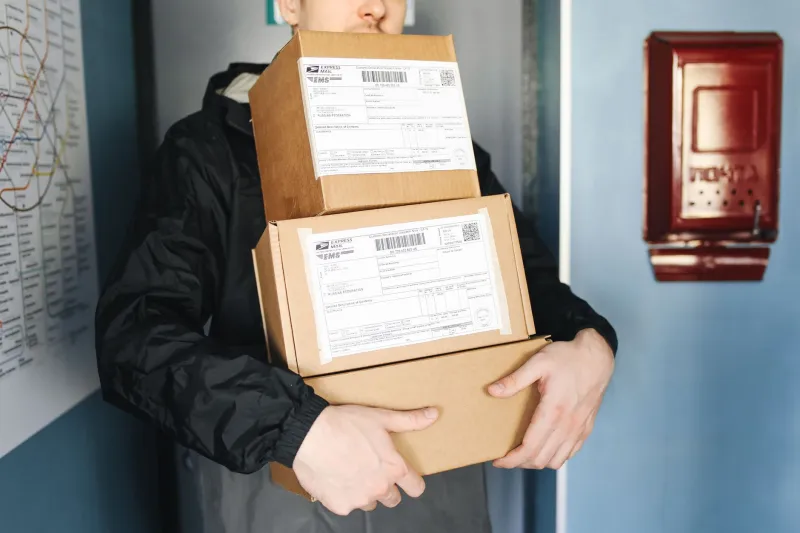
Delivery is the last mile of an online pharmacy transaction, and it is often the first place where a bargain begins to look less like convenience and more like a warning. A website can publish polished claims about low prices and fast service, but the package that arrives, or fails to arrive, exposes operational choices that marketing pages rarely discuss. At CheapCialisOnlineHQ, we treat packaging, tracking, and return policies as consumer-protection signals rather than customer-service trivia. For a US patient buying prescription medication online, those signals can separate a licensed pharmacy from a seller that disappears after checkout.
Discretion Is Normal. Evasion Is Different.
Legitimate pharmacies routinely ship in plain outer packaging. There is nothing suspicious about a box that does not announce the contents, and privacy is a reasonable expectation for any medical purchase. The problem begins when discretion becomes evasion. A credible package should carry a real return address, usually a pharmacy or fulfillment center, and shipping documents should describe the contents accurately. A sender name that cannot be traced, a return address that leads nowhere, or a customs declaration that calls a prescription drug a vitamin is not discretion. It is a sign that the seller is trying to avoid accountability.
Patients should also be wary of delivery instructions that ask them to waive signature confirmation, ignore tracking, or accept a package with no pharmacy contact information. Some legitimate pharmacies may require a signature for certain orders, and others may not, but the policy should be clear before purchase. If the website treats delivery as a secret operation rather than a controlled handoff, ask why.
Tracking That Tells the Truth
Tracking is a basic test of whether an online pharmacy has a real fulfillment process. A credible seller provides a verifiable tracking number, identifies the carrier, and gives a realistic shipping window. The tracking record should show an origin, movement, and delivery confirmation. If the number is invalid, if the label is created but never moves, or if the pharmacy refuses to provide tracking at all, the customer has no way to distinguish a delayed shipment from a shipment that never existed.
Origin matters as well. A website that presents itself as a US pharmacy but ships from another country is not necessarily illegal in every circumstance, but the patient deserves to know the source before ordering. International shipments can involve customs delays, and the legal status of imported medication depends on factors that a checkout page rarely explains. A mismatch between the website's claims and the package's origin is a reason to pause, not a detail to ignore.
Temperature-sensitive medications add another layer. If a product requires controlled shipping, the pharmacy should explain how it protects the medication from heat or freezing. A seller that offers no shipping safeguards and no way to report a damaged shipment is not offering a bargain. It is transferring risk to the patient.
The Return Policy as a Stress Test
Return policies for prescription medication are not the same as return policies for shoes. Once a prescription drug has been dispensed, federal and state rules generally restrict returns because the product cannot be guaranteed as safe after it leaves the pharmacy's control. That does not mean a legitimate pharmacy has no policy. It means the policy should explain how the seller handles damaged, incorrect, lost, or temperature-compromised shipments.
A credible policy is written in plain language, appears before checkout, and includes a way to reach a human being. It should state what the patient must do, how quickly to report a problem, whether the remedy is a refund or a replacement, and how long the process takes. Red flags include a policy that is impossible to find, a blanket statement that all sales are final with no exceptions, a restocking fee on prescription medication, or a demand that the patient return an opened package before receiving help. A pharmacy that cannot explain its own refund process before taking payment is unlikely to explain it afterward.
What a Credible Delivery Experience Looks Like
A trustworthy online pharmacy does not need to be luxurious, but it should be legible. The order confirmation should name the pharmacy, provide a phone number, and identify the dispensing state or facility. The website should display a state pharmacy license and, where applicable, accreditation such as VIPPS. The shipping page should describe packaging, tracking, delivery timelines, and what happens if a package is lost. The return page should explain exceptions for prescription safety while still offering recourse for errors.
Patients should also check whether the pharmacy asks for a valid prescription and whether a licensed pharmacist is available to answer questions. Delivery logistics are not separate from clinical safety. A package that arrives without instructions, without a pharmacy contact, and without a clear way to report an adverse effect is a delivery failure even if the box looks professional.
Questions to Ask Before Checkout
Before ordering from any online pharmacy, ask: Who is the dispensing pharmacy? What is the return address? Which carrier will be used? Is tracking included? What is the shipping origin? How are temperature-sensitive products handled? What is the refund policy for a damaged or wrong item? Can I speak with a pharmacist? A seller that cannot answer these questions before payment is asking for trust it has not earned.
Discount online pharmacies can offer real savings, and convenience is a legitimate part of that value. But the package is part of the product. When packaging, tracking, and returns are transparent, the patient can judge the seller on facts. When they are not, the cheapest price may be the most expensive detail in the transaction.