Catching the Overcharge Before It Leaves Your Wallet: A Real-Time Pharmacy Billing Audit Guide
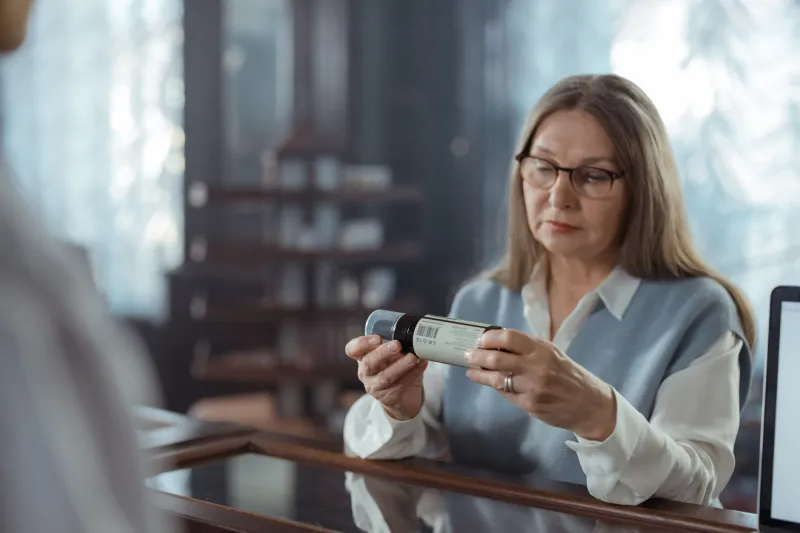
Every year, American consumers collectively overpay hundreds of millions of dollars at the pharmacy counter — not because of deliberate fraud, but because of billing systems so complex that errors are practically inevitable. Incorrect tier assignments, miscounted quantities, misapplied discount codes, and duplicate processing fees slip through the cracks with remarkable regularity. The unfortunate truth is that most of these errors are never caught, because most patients assume the number on the register is correct.
It does not have to work that way. With a modest investment of two to three minutes at the counter, you can verify your charges in real time, identify discrepancies before you pay, and — if an error has already processed — request an immediate correction before you walk out the door.
This guide walks you through exactly how to do that.
Why Pharmacy Billing Errors Are More Common Than You Think
Pharmacy billing is not a single transaction. It is a multi-layered negotiation between your pharmacy's point-of-sale system, your insurance company's pharmacy benefit manager (PBM), the drug manufacturer's pricing data, and any discount programs you may have enrolled in. Each of those systems can introduce an error.
The most frequent culprits include:
- Incorrect formulary tier assignment. Your insurer categorizes drugs into tiers (generic, preferred brand, non-preferred brand, specialty), and each tier carries a different copay. When a drug is miscategorized — either because the formulary was recently updated or because the pharmacy's system hasn't synced — you may be charged a Tier 3 rate for a Tier 1 drug.
- Wrong day supply or quantity. A prescription written for a 90-day supply occasionally processes as a 30-day fill. You receive fewer pills but are sometimes charged the full 90-day copay, or billed for a quantity that doesn't match the label.
- Discount card conflicts. If you enrolled in a manufacturer coupon or a third-party discount program like GoodRx, but your insurance also processed the claim, you may have been billed under whichever arrangement produced the higher out-of-pocket cost — not the lower one.
- Duplicate dispensing fees. Some pharmacies apply a dispensing fee per transaction. If a prescription was partially filled and then completed on a second visit, two fees may appear on your receipt.
- Outdated cash prices. Published cash prices fluctuate. If a pharmacy's internal pricing hasn't been updated to reflect a recent price drop — which is common with newly genericized drugs — you may be paying last quarter's rate.
Step One: Request an Itemized Receipt Before You Pay
This sounds simple, but it is the single most important action you can take. A standard pharmacy receipt typically shows only the total amount due. An itemized receipt breaks out the drug name, the NDC (National Drug Code) number, the day supply, the quantity dispensed, and — critically — what your insurance paid versus what you are being asked to pay.
Ask the pharmacist or technician: "Can I see the itemized claim breakdown before I complete this transaction?" Most pharmacy management systems can print or display this information in under thirty seconds. You are legally entitled to this information.
Confirm the following before handing over your card:
- The drug name and strength match your prescription exactly.
- The quantity and day supply match what your doctor ordered.
- The copay tier listed corresponds to what your insurance card or plan documents specify for that drug class.
- No additional fees appear that you did not expect.
Step Two: Cross-Check the Price Using a Public Database
Several free, publicly accessible tools allow you to verify what a given medication should cost — both under insurance and at cash price — in your specific ZIP code.
- GoodRx.com provides real-time cash price estimates by pharmacy and location.
- NeedyMeds.org maintains a database of patient assistance programs and discount pricing.
- Medicare's Drug Pricing Tool (available at medicare.gov) shows Part D pricing by plan for enrolled beneficiaries.
- Blink Health and RxSaver offer independently negotiated pricing that can serve as useful benchmarks.
Pull up the price for your specific medication on one of these platforms while you are still at the counter. If the price you are being charged is materially higher than the published benchmark — particularly the cash price — ask the pharmacist to explain the discrepancy. In many cases, simply presenting a GoodRx coupon at that moment will adjust the price downward immediately.
Step Three: Know the Language of a Formal Dispute
If an error has already processed — meaning you have already paid — you are not without recourse. Most pharmacies are required by their own internal policies, and in many cases by state pharmacy board regulations, to issue refunds for verified billing errors.
Approach the pharmacist directly (not the technician) and use precise language:
"I believe there is a billing discrepancy on this transaction. I was charged [amount] for [drug name], but according to my insurance plan documents, this medication is classified as a Tier [X] drug with a [amount] copay. I would like to request a price correction and a refund of the difference."
Document the following before you leave:
- The name of the pharmacist or technician you spoke with.
- The date and time of the transaction.
- The transaction or prescription number from your receipt.
- The exact amount you were charged versus what you believe is correct.
If the pharmacy declines to issue an immediate correction, escalate in writing. File a complaint with your insurance company's member services line — PBMs are contractually obligated to investigate billing disputes — and, if necessary, with your state's pharmacy board.
Step Four: Review Your Explanation of Benefits After Every Fill
Your insurer sends an Explanation of Benefits (EOB) document after each prescription claim processes — either by mail or through your online member portal. This document shows exactly what your insurance was billed, what they paid, and what your share was calculated to be.
Compare the EOB figures against your receipt figures. Discrepancies between the two documents are a strong indicator that something in the billing chain misfired. If the amounts do not match, contact your insurer's pharmacy benefits line with both documents in hand.
The Bigger Picture: Why Vigilance at the Counter Matters
Pharmacy billing systems are designed for throughput, not precision. The volume of prescriptions processed daily at a typical retail pharmacy — often in the hundreds — means that errors which seem exceptional to you are statistically routine for the system. No single party in the chain is necessarily acting in bad faith; the architecture itself creates friction.
At CheapCialisOnlineHQ, we believe that informed consumers are the most powerful check on a system that otherwise has very little incentive to self-correct. Spending three minutes auditing your receipt is not paranoia — it is financial self-defense. The money recovered from a single corrected billing error can easily exceed what most people spend on a full month's supply of a generic medication.
Make the audit a habit. Ask for the itemized breakdown. Cross-check the price. Document everything. The counter is where your leverage is greatest — and it disappears the moment you walk out the door.