When the Maker Changes: Tracking Generic Tadalafil Lot Numbers Across Online Refills

Photo: Department of Defense. American Forces Information Service. Defense Visual Information Center. 1994, Public domain, via Wikimedia Commons
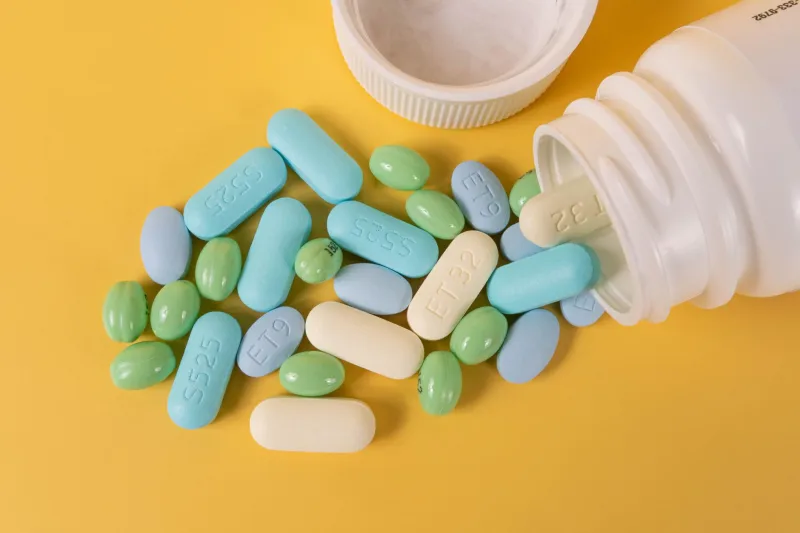
A patient opens a refill from an online pharmacy and finds a tablet that looks nothing like the last one. The shape is different, the color is different, and the imprint code is unfamiliar. The strength on the label still matches the prescription, but the bottle feels like a substitution. In many cases, it is exactly that: the same generic drug from a different manufacturer. The change may be routine, but patients should know how to track it without getting burned.
Why the Same Prescription Produces Different Tablets
Generic tadalafil is sold by multiple manufacturers and distributors. An online pharmacy may buy from a wholesaler, a secondary supplier, or a private-label packager. Supply contracts change, backorders occur, and one lot may be cheaper than another. The pharmacy may also fill the same prescription through different fulfillment centers depending on the patient's state or the quantity ordered. None of this automatically makes the refill unsafe, but it does make record-keeping more important.
What Can Change Without Changing the Dose
Tablet color, shape, and imprint can vary among manufacturers. Label design, package size, lot number, expiration date, and National Drug Code can also change. The active ingredient and strength should remain the same. If the label shows a different strength, a different drug, or a tablet that does not match the pharmacy's description, stop and ask questions before taking it.
Build a Refill Ledger
A refill ledger does not need to be complicated. A spreadsheet or a notes app with the same fields each time is enough. Record the date of the order, the pharmacy name and license number, the prescriber, the drug name and strength, the quantity, the manufacturer, the National Drug Code, the lot number, and the expiration date. Add a brief description of the tablet, such as color, shape, and imprint. Record the drug price, consultation fee, shipping charge, total price, price per tablet, and price per milligram.
Keep the label and a photograph of the bottle until the refill has been verified. If the next order arrives with a different manufacturer, the ledger shows the change immediately. It also shows whether the price changed at the same time, which is a useful question for the pharmacy.
Compare Price Without Losing the Thread
Price per tablet can mislead when package sizes and strengths change. Price per milligram is a steadier comparison, but it still needs the monthly dosing schedule beside it. If a new manufacturer arrives with a higher price, ask whether the increase reflects the product or the fulfillment arrangement. If the pharmacy says the substitution was due to supply, ask when the original manufacturer is expected back. If the answer is vague, compare the total cost at another licensed pharmacy before reordering.
Red Flags That Deserve a Question
The label should identify the manufacturer and the pharmacy should be able to provide the National Drug Code. A bottle with no manufacturer, no lot number, or a label that looks altered is not a routine substitution. Tablets that vary in appearance within the same bottle deserve immediate scrutiny. So does packaging in a language that does not match the patient information provided, or an expiration date that looks reprinted.
Patients should also question unexpected auto-ship enrollment, a strength change that was not authorized by the prescriber, or a pharmacist who cannot be reached by phone. A legitimate substitution should be traceable through the pharmacy's records. If it is not, the patient should contact the prescriber and the state board of pharmacy. Suspected counterfeit or adulterated medicine can also be reported to the FDA.
The Telehealth Paper Trail
Telehealth prescribers and online pharmacies should work from the same prescription record. When a manufacturer changes, the patient should be able to ask the pharmacist which product was dispensed and why. A pharmacy that cannot answer basic sourcing questions is a pharmacy that deserves more caution, not less.
The maker shuffle is not proof of a problem. It is a normal feature of a generic supply chain. But patients who track lot numbers, manufacturer names, and prices are in a stronger position to tell a routine substitution from a questionable one.